

Menopause-related skin changes are driven by a significant drop in estrogen, which causes collagen loss, thinning, and dryness. You can treat these changes without surgery in Glenwood Springs by combining medical therapies like hormone replacement with advanced non-invasive aesthetic treatments. This guide covers how to manage these structural shifts using a layered approach that addresses both the biological root and the visible signs of aging.
Menopause Hormone Therapy
Menopause hormone therapy is a medical intervention designed to replace the declining levels of estrogen and progesterone in the body. While this is a medical decision that must be made with a physician, it is the most effective way to address the biological root of skin aging during menopause. Estrogen plays a critical role in maintaining skin thickness, hydration, and collagen density. When levels drop, the skin loses its structural integrity, leading to the thinning and laxity often seen in the face and neck.
The Role of Estrogen in Skin Structure
Estrogen receptors are found throughout the skin, and their activation helps stimulate fibroblasts, the cells responsible for producing collagen. Without adequate estrogen, the production of these structural proteins slows down significantly. This leads to a loss of elasticity and a decrease in the skin's ability to retain moisture. For many patients, systemic hormone therapy helps stabilize these changes, providing a better foundation for aesthetic treatments to work.
Consulting Your Medical Provider
It is essential to discuss your skin concerns with your primary care physician or gynecologist before starting any hormone therapy. They can evaluate your medical history and determine if systemic treatment is safe for you. At Contour Body Aesthetics, we often coordinate with our clients' medical providers to ensure that our aesthetic plans align with their overall health goals. This collaborative approach ensures that you are addressing the internal factors of aging while simultaneously improving your external appearance.
Topical Retinoids
Topical retinoids are vitamin A derivatives that are considered the gold standard in dermatological skincare for anti-aging. They work by increasing cell turnover and stimulating collagen production in the deeper layers of the skin. During menopause, the skin's natural renewal process slows down, leading to a buildup of dead cells and a dull, uneven texture. Retinoids help counteract this by encouraging the skin to shed old cells and produce new, healthier ones.
How Retinoids Combat Collagen Loss
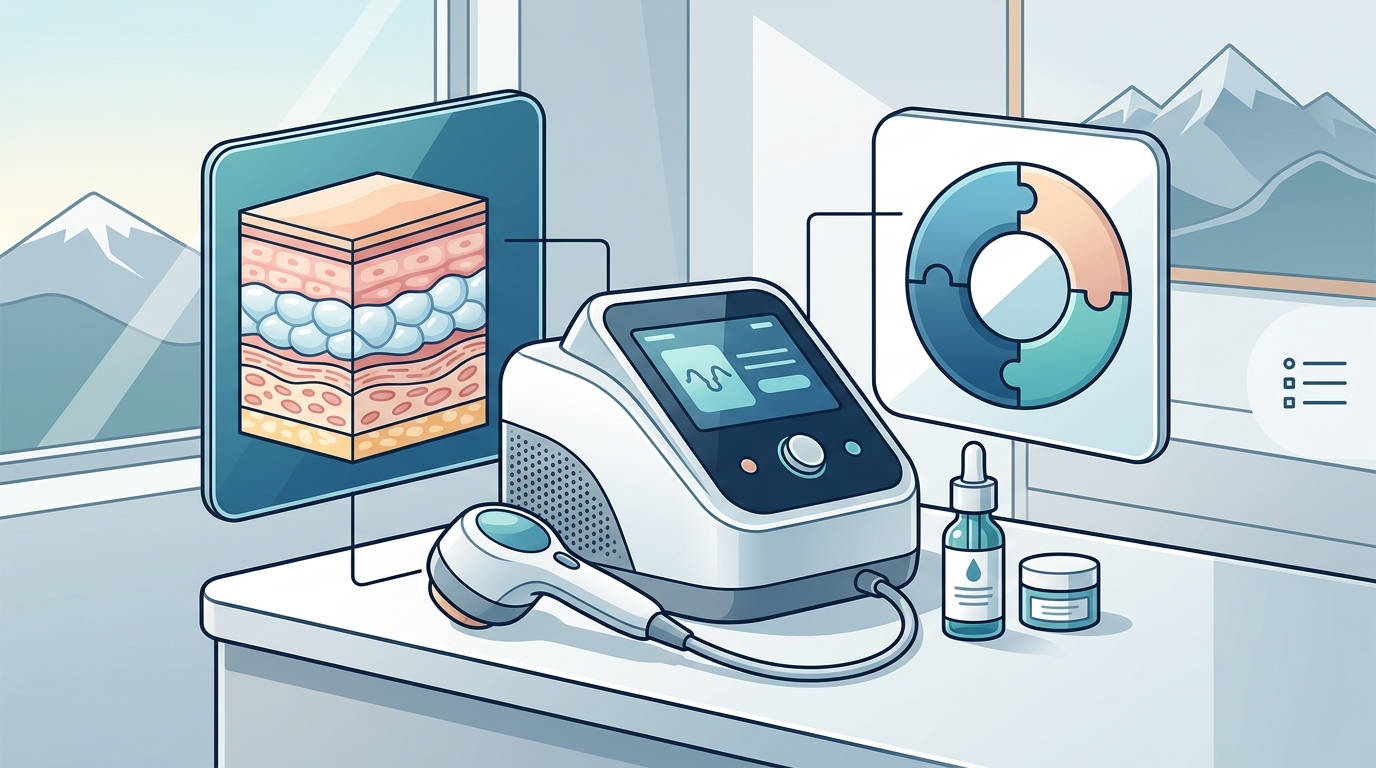
Retinoids penetrate the skin to reach the dermis, where they signal fibroblasts to produce more collagen and elastin. This process helps to thicken the skin and improve its firmness over time. Because menopause accelerates collagen degradation, using a prescription-strength retinoid can help slow this process and maintain skin density. It is important to start with a lower concentration and gradually increase strength to minimize irritation, especially since menopausal skin is often more sensitive and dry.
Integrating Retinoids into Your Routine
To maximize the benefits of topical retinoids, it is crucial to use them consistently and protect your skin from sun damage. UV radiation breaks down collagen, which can negate the positive effects of retinoid use. We recommend pairing retinoids with a broad-spectrum sunscreen and hydrating products that support the skin barrier. At Contour Body Aesthetics, we can help you select the right skincare products to complement your in-office treatments, ensuring that your at-home routine supports your professional care.
Structural Rejuvenation Treatments
While medical and topical treatments address the biological and surface-level aspects of menopause, structural rejuvenation treatments target the deeper layers of the skin to restore firmness and lift. These non-surgical options are designed to stimulate collagen remodeling and improve skin elasticity without the need for incisions or downtime. For clients in Glenwood Springs, these treatments offer a powerful way to address the sagging and laxity that often accompanies menopause.
Radiofrequency Skin Tightening
Radiofrequency (RF) treatments, such as XERF, deliver controlled thermal energy to the deeper layers of the skin. This heat stimulates the body's natural healing response, triggering the production of new collagen and elastin. Over time, this leads to tighter, firmer skin and improved contour. RF treatments are particularly effective for addressing loose skin on the face, neck, and body, providing a non-surgical alternative to procedures like a facelift or neck lift.
Facial Muscle Stimulation
Menopause can also lead to a loss of facial muscle tone, contributing to a sagging appearance. Treatments like EMFACE use microcurrent and radiofrequency energy to stimulate the facial muscles, helping to improve lift and definition. By strengthening the underlying muscle structure, these treatments can help restore a more youthful and lifted appearance. This approach is ideal for clients who want to address jowls and a softening jawline without surgery.
Collagen Remodeling and Microneedling
Combining microneedling with radiofrequency energy, as seen in treatments like Potenza, allows for deeper penetration of energy into the skin. This combination is highly effective for stimulating collagen remodeling and improving skin texture and firmness. The controlled micro-injuries created by the needles trigger a robust healing response, while the RF energy heats the deeper layers to enhance collagen production. This dual-action approach is well-suited for addressing the thinning and crepey skin often seen during menopause.
Treatment Comparison
Choosing the right treatment depends on your specific concerns and goals. The following table compares the primary approaches to managing menopause-related skin changes.
| Treatment Type | Primary Mechanism | Best For | Downtime |
|---|---|---|---|
| Hormone Therapy | Systemic estrogen replacement | Biological root of aging | None |
| Topical Retinoids | Cell turnover and collagen stimulation | Texture, thinning, and fine lines | None |
| Radiofrequency (XERF) | Deep thermal collagen remodeling | Laxity, sagging, and contour | Minimal to none |
| Facial Stimulation (EMFACE) | Muscle contraction and RF energy | Jawline definition and lift | None |
| RF Microneedling (Potenza) | Micro-injury and deep RF heating | Texture, pores, and firmness | 1-3 days |
Key Takeaways
- Menopause causes a significant drop in estrogen, leading to collagen loss and skin thinning.
- Hormone therapy is a medical option that can help stabilize the biological factors of skin aging.
- Topical retinoids are essential for maintaining skin density and improving texture at home.
- Non-surgical treatments like XERF and EMFACE can address structural laxity and muscle tone.
- A layered approach combining medical, topical, and in-office treatments yields the best results.
- Consulting with a specialist ensures that your treatment plan is tailored to your specific needs.
- Consistency in both at-home care and professional treatments is key to long-term success.
- Non-surgical options provide a safe and effective alternative to invasive procedures.
Frequently Asked Questions
Can hormone therapy reverse skin aging?
Hormone therapy can help stabilize the biological factors of skin aging by replacing declining estrogen levels. It may help maintain skin thickness and hydration, but it is not a cure for all signs of aging. It works best when combined with other treatments and a consistent skincare routine.
Are topical retinoids safe for menopausal skin?
Yes, topical retinoids are generally safe for menopausal skin, but it is important to start with a lower concentration to avoid irritation. Since menopausal skin can be more sensitive, it is recommended to use a moisturizer and sunscreen alongside retinoids to support the skin barrier.
How do non-surgical treatments compare to a facelift?
Non-surgical treatments like XERF and EMFACE offer a less invasive alternative to a facelift. They provide gradual improvement in skin firmness and lift without the need for surgery, anesthesia, or a long recovery period. While they may not provide the dramatic results of a surgical facelift, they are a safer option for many clients.
How many treatments are needed for visible results?
The number of treatments needed varies depending on the specific procedure and individual response. Most non-surgical treatments require a series of sessions spaced several weeks apart to achieve optimal results. Your provider will recommend a treatment plan based on your goals and skin condition.
Can I combine hormone therapy with aesthetic treatments?
Yes, many clients combine hormone therapy with aesthetic treatments. It is important to coordinate with your medical provider to ensure that your overall health plan is aligned with your aesthetic goals. This collaborative approach can help you achieve the best possible results.
What is the best treatment for loose neck skin?
Radiofrequency treatments like XERF are highly effective for addressing loose neck skin. They stimulate collagen production in the deeper layers of the skin, leading to tighter and firmer skin over time. Combining this with topical retinoids can enhance the overall results.
How long do the results of non-surgical treatments last?
The results of non-surgical treatments are not permanent, but they can last for several months to a year, depending on the procedure and individual factors. Maintenance treatments are often recommended to sustain the results and continue to improve skin quality over time.
Is it too late to start treating menopause skin changes?
It is never too late to start addressing menopause-related skin changes. While some changes may be more advanced, non-surgical treatments can still provide significant improvement in skin firmness, texture, and contour. Early intervention is often more effective, but it is always better to start than to wait.
Conclusion
Treating menopause-related skin changes requires a comprehensive approach that addresses both the biological and structural aspects of aging. By combining medical therapies like hormone replacement with advanced non-surgical treatments, you can achieve a more youthful and confident appearance without the need for surgery. At Contour Body Aesthetics in Glenwood Springs, we specialize in structural rejuvenation and can help you create a personalized plan that fits your unique needs. To explore your options, book a consultation with our team today.